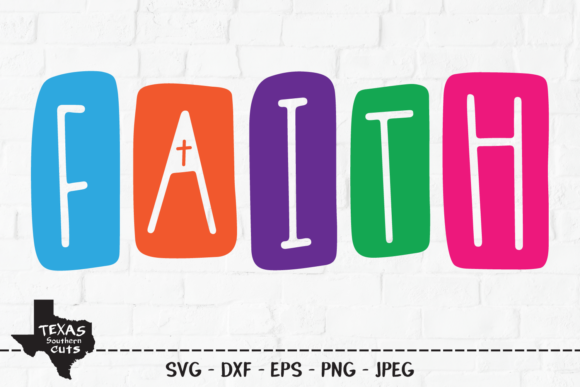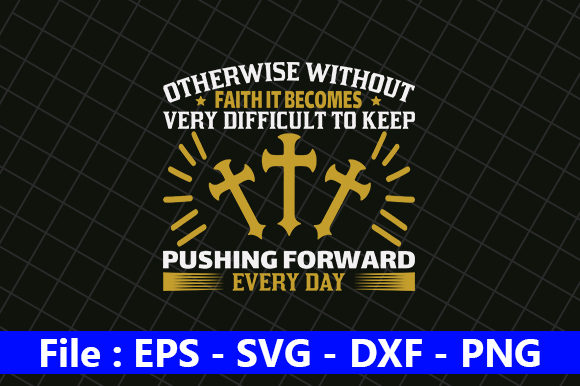
Christian T-Shirt Design and Faith: Turning Belief into Wearable Art
Christian T-shirt design sits at the intersection of personal faith, visual communication, and everyday wear. For designers, entrepreneurs, church leaders, and hobbyists alike, this niche offers a practical way to express beliefs while building something that resonates with a specific audience. But designing a shirt that genuinely reflects faith requires more than slapping a cross on a blank canvas. It demands a thoughtful process that integrates theology, design principles, and real-world usability.
Whether you are creating for a church ministry, launching a small brand, or designing for personal projects, understanding how faith informs design and how design serves faith can transform your workflow. This article walks through the practical side of Christian T-shirt design—what it is, how it fits into larger creative and business processes, and how you can implement it effectively.
What Christian T-Shirt Design Really Means
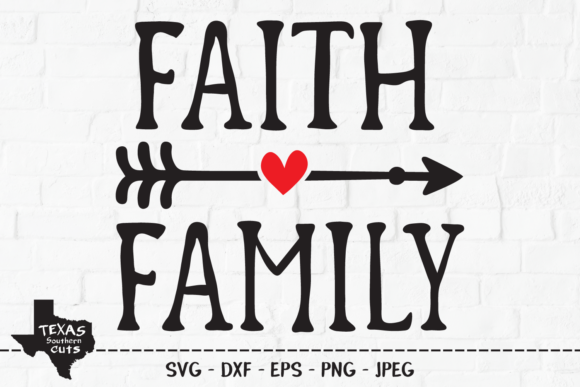
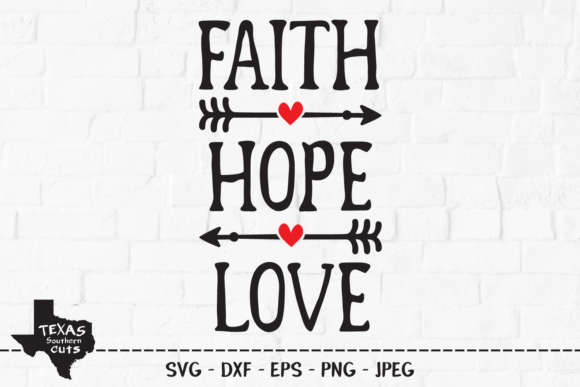
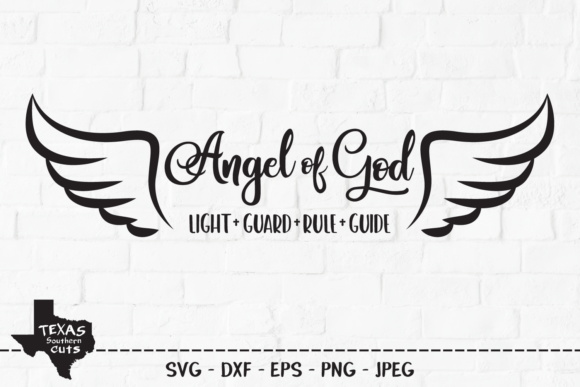
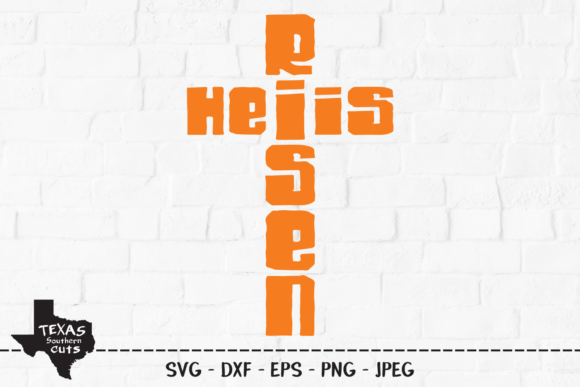
Christian T-shirt design is the practice of creating apparel graphics that communicate themes, symbols, or messages rooted in the Christian faith. This can range from minimalist icons like the ichthys or cross to full typographic layouts featuring Scripture verses, creeds, or original statements. The field spans multiple contexts: personal expression, church merchandise, evangelistic outreach, and commercial retail.
In a broader sense, Christian T-shirt design is a form of visual theology. Every color, font, and symbol carries meaning. A well-designed shirt can start conversations, reinforce teaching, or serve as a daily reminder of core beliefs. For the designer, this brings both creative freedom and a responsibility to handle the subject matter with care.
Where this fits into a larger process depends on your role. For a church communications director, it may be part of a seasonal campaign or event promotion. For a freelance designer, it could be a client project or a product line you develop on the side. For an entrepreneur, it might be the foundation of a clothing brand. In every case, the design process connects to planning, production, distribution, and audience engagement.
Where Faith Meets Design: Planning Your Message
Before opening any software or sketching ideas, the first real work is conceptual. Christian T-shirt design begins with a clear message. What do you want the shirt to communicate? Is it a statement of faith, a call to action, a moment of comfort, or a celebration of identity? The answer shapes every decision that follows.
This planning phase is where faith and design intersect most directly. Consider the audience: Are you designing for a youth group, a congregation, a broader Christian market, or seekers who may not share your background? The tone, complexity, and visual language should match the context. A shirt for a men’s retreat will look different from one for a children’s ministry or a campus outreach event.
Once the message and audience are clear, you can move into reference gathering. Look at Scripture passages, hymns, creeds, or theological themes that align with your goal. Collect design inspiration from both Christian and secular sources—good design principles apply everywhere. Pay attention to typography, color theory, composition, and how other designers handle faith-based imagery without becoming cliché.
This preparation stage also involves practical decisions. Will the design be screen printed, direct-to-garment, or heat transferred? Each method has implications for color limitations, detail complexity, and cost. Understanding these constraints early prevents wasted effort later.
Building a Workflow That Honors Both Craft and Calling
A reliable workflow is essential for any design project, and Christian T-shirt design is no exception. A structured process helps you maintain consistency, meet deadlines, and produce work that aligns with your standards.
Concept and Research
Start with a brief, even if you are working for yourself. Write down the purpose, audience, key message, format (front only, back, sleeve, etc.), and any mandatory elements like a ministry logo or specific verse reference. This brief becomes your reference point throughout the project.
Sketching and Iteration
Move to thumbnails or rough sketches. Work out layout, hierarchy, and visual flow on paper or a digital tablet. Faith-based designs often rely heavily on typography, so experiment with letterforms, word spacing, and how text interacts with symbols. Try multiple directions before committing to one.
Digital Execution
Translate your chosen sketch into vector software like Adobe Illustrator or Affinity Designer. Work in black and white first to nail the composition and contrast. Only add color once the structure is solid. For Christian T-shirt design, readability at a distance is critical—test your design at the actual print size.
Feedback and Refinement
Share the design with trusted colleagues, friends, or a sample audience. Ask specific questions: Does the message come across? Is the visual balance effective? Does it feel respectful and authentic? Be open to critique but stay true to the original brief. This step is especially important when the design carries theological weight.
Production Preparation
Prepare your final files according to your print method. Set up color separations for screen printing, flatten layers for DTG, and include spot colors where needed. Work with your printer to confirm specs and request a proof before full production.
Practical Implementation: Before, During, and After Your Project
Christian T-shirt design is not limited to the moment you create a graphic. It can serve different purposes at different stages of a broader project or workflow.
Before a Campaign or Event
Use design thinking as part of the planning process. When a church or ministry prepares for a conference, sermon series, or outreach, the T-shirt design can reinforce the theme visually. Designing early allows time for feedback, printing, and distribution. It also forces clarity: If you cannot sum up the event in a single design, the messaging may need refining.
During a Creative or Learning Activity
For educators or workshop leaders, Christian T-shirt design can be a hands-on activity. Teaching students or volunteers the basics of faith-based design builds skills and deepens engagement with the subject matter. It becomes a practical exercise in communication and theology.
After a Project or Decision
A finished design can serve as a capstone or celebration piece. After a successful campaign, a limited-edition shirt commemorates the effort and builds community. For personal projects, wearing or distributing a design you created reinforces the message and provides a sense of accomplishment.
Integrating Tools, Platforms, and People
Christian T-shirt design does not exist in isolation. It interacts with a range of tools, resources, and collaborators.
- Design software: Vector tools are the standard. Affinity Designer offers a cost-effective alternative to Illustrator. For mockups, use Photoshop or dedicated mockup generators.
- Print partners: Building a relationship with a reliable print shop is invaluable. Ask about their specialty, turnaround times, and minimum orders. Some printers specialize in small batches, which is ideal for testing designs.
- Fonts and resources: Invest in quality typefaces, especially serif and sans-serif families that work well for short text. Many foundries offer licenses for commercial use. Free fonts like those from Google Fonts can work, but check the license for merchandise use.
- Stock imagery and icons: When you need symbols or textures, use reputable sources that allow commercial use. Always verify licenses, especially for religious symbols that may have specific representation guidelines.
- Collaborators: Work with copywriters, theologians, or ministry leaders when your design includes original text or complex themes. A second set of eyes can catch unintended meanings or inaccuracies.
Quality Control and Long-Term Consistency
Producing a Christian T-shirt that looks good and lasts requires attention to detail at every stage. Quality control starts with the design file and continues through print and fulfillment.
Check your design for common issues: thin lines that may disappear in print, small text that becomes illegible, and colors that shift when printed on different garment colors. Request a physical proof whenever possible. Look at the shirt under natural light and consider how it will look after repeated washing. The fabric quality matters as much as the ink quality.
For long-term consistency, especially if you are building a brand or recurring product line, document your standards. Maintain a style guide that covers your logo usage, color palette, typography, and design principles. This ensures that future designs feel connected, even if different people work on them.
Consistency also applies to messaging. If your designs draw from Scripture, decide which translation you will use and stick with it. If you use original phrases, keep the tone and voice consistent across pieces. This builds recognition and trust with your audience.
Practical Observations for Designers and Entrepreneurs
Several insights emerge from working in this niche over time. First, simplicity often wins. Christian T-shirt design can trend toward ornate or busy compositions, but the most effective designs are usually clean and direct. A single strong symbol or a short, powerful phrase carries more impact than a crowded layout.
Second, understand your audience’s context. What works for a youth rally may not resonate with a senior adult Bible study. Test your assumptions. A design that feels powerful to you may miss the mark with the intended wearer. This is where feedback loops matter most.
Third, treat your work as a craft. Christian T-shirt design is not merely about reproducing symbols. It is about communicating something meaningful in a way that invites engagement. Invest in your skills, learn from other designers, and stay current with trends in both design and apparel production.
Finally, think about sustainability. Fast fashion and low-quality prints undermine the message. If possible, choose garment brands known for ethical production and durability. Your design carries a message; the shirt it lives on should support that message, not contradict it.
Making Christian T-Shirt Design Part of Your Routine
Integrating Christian T-shirt design into your regular workflow does not require a massive overhaul. Start small. If you are a designer, set aside a few hours each month to work on a personal faith-based concept. If you are a church leader, plan one T-shirt design per quarter tied to a sermon series or season. If you run a small business, build a consistent release schedule that aligns with your capacity.
Use the same project management habits you apply to other work: set deadlines, define deliverables, and review results. Keep a file of design ideas, Scripture references, and visual inspiration. Revisit and refine old designs. Over time, you will develop a body of work that reflects both your faith and your growth as a creator.
Christian T-shirt design is a practical, creative, and meaningful discipline. When approached with planning, skill, and intentionality, it becomes more than merchandise. It becomes a way to carry faith into everyday life, one shirt at a time.