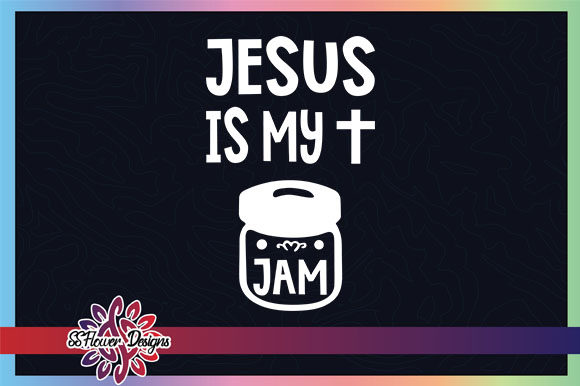
Jesus is My Jam Graphic: Why This Faith-Fueled Design Movement Resonates Today
Walk into any coffee shop, scroll through an Instagram feed, or browse a Christian bookstore, and you are likely to encounter a Jesus is My Jam Graphic. At first glance, it looks like playful faith merch — a tee, a sticker, a phone wallpaper. But beneath the surface, this particular phrase and its visual treatments represent a larger shift in how people express belief, identity, and community in a fragmented digital world. For creators, entrepreneurs, and everyday believers, the design is not just a slogan; it is a signal. Understanding why it works, how it has evolved, and what it means for your own work or faith journey can open up fresh ways to connect with audiences who crave authenticity, joy, and belonging.
What Exactly Is a Jesus is My Jam Graphic?
A Jesus is My Jam Graphic is a visual design — often typographic, sometimes illustrated — that pairs the phrase Jesus is my jam with creative styling. The phrase borrows from slang where “jam” means a favorite song or thing you absolutely love. So the graphic announces, plainly and cheerfully, that Jesus is that central, joy-giving part of a person’s life. You see it on mugs, laptop skins, enamel pins, sermon slide decks, and social media profile frames. The graphic itself might use bold retro fonts, watercolor textures, minimalist line art, or neon color palettes. The variety is wide, but the core message stays the same: faith is not a dry obligation — it is something you genuinely groove to.
For designers and small business owners, this graphic represents a product category with real demand. It is a faith-based lifestyle statement that does not feel heavy or preachy. For educators and bloggers, it can be a conversation starter about how modern believers translate ancient truths into contemporary language. And for anyone who has ever felt that their faith is misunderstood as rigid or dull, the graphic offers a refreshing counter-narrative.
Why the Jesus is My Jam Phenomenon Fits Right Now
We live in an era where people are curating their identities more visibly than ever. From the playlist on your Spotify to the sticker on your Hydro Flask, every choice signals something about your values. The Jesus is My Jam Graphic fits perfectly into this landscape because it is simultaneously personal and shareable. It says, “This is what fills me up,” without requiring a long explanation.
Current trends in branding and content creation also favor warmth, humor, and relatability. The stiff, overly polished marketing of the past is giving way to voices that feel human. The phrase “my jam” is casual, almost playful. When paired with the name of Jesus, it creates a gentle tension that catches attention. It is reverent without being stuffy, and confident without being aggressive. For churches, ministries, and Christian creators, using this kind of graphic can help bridge the gap between traditional worship and the everyday language of a younger, more visual audience.
Moreover, the rise of print-on-demand and digital asset marketplaces has made it easier than ever for independent creators to design and sell faith-based graphics. A single Jesus is My Jam Graphic design can become a bestseller on Etsy, a recurring template in a Canva account, or a branded asset for a church social media series. The low barrier to entry means more voices can participate, but it also means the market is crowded. Standing out requires understanding why this particular phrase has staying power.
How the Graphic Has Evolved from Niche to Notable
The phrase “Jesus is my jam” started appearing in casual Christian conversation and on early social media memes around the 2010s. Initially, it felt like an inside joke — a way for young believers to signal that they were both faithful and culturally aware. The first graphics were often DIY: handwritten on a sticky note, typed in a bold font over a photo of a coffee cup, or scrawled on a chalkboard. As the phrase gained traction, professional designers began to create polished versions. Now you can find everything from vintage-inspired badge-style graphics to sleek modern typography that would look at home in a lifestyle magazine.
What changed? The audience matured. The teens and young adults who first used the phrase are now in their thirties and forties. They are professionals, business owners, parents, and church leaders. Their design tastes have evolved, but their desire to express faith in a natural, joyful way has not. So the graphics have grown up too. You still see playful, colorful versions, but you also see minimalist black-and-white designs, gold foil prints, and subtle digital watermarks suitable for professional slide decks. This evolution shows that the core message — Jesus as a source of daily joy — is not a passing trend. It is a lasting sentiment that adapts to different life stages and design preferences.
For marketers and content creators, this is a valuable lesson in brand longevity. A message that resonates emotionally can be refreshed visually without losing its identity. If you are designing or selling faith-based products, you can learn from this arc: start with authentic language, then build visual systems that grow with your audience.
Practical Implications for Creators, Entrepreneurs, and Everyday Users
If you are a creator or entrepreneur, the Jesus is My Jam Graphic offers several concrete takeaways. First, it demonstrates the power of simple, repeatable messaging. The phrase is short, memorable, and easy to pair with imagery. When you design your own products or content, ask yourself whether the core idea can be expressed in a single, natural sentence. If yes, you have a strong foundation.
Second, consider how this graphic works across formats. A single design can become a t-shirt, a social media post, a lock screen wallpaper, a series of story slides, or a printed poster. That versatility is not accidental. It comes from a visual identity that is strong enough to stand alone but flexible enough to scale. If you are a blogger or educator, think about how you can create a visual signature — a phrase, a color palette, a recurring icon — that your audience recognizes immediately. That is brand equity.
For small business owners and freelancers, faith-based graphics like this one can be a niche with loyal customers. People who resonate with the phrase are often eager to support creators who share their values. If you are considering adding a faith-based line to your shop, start with one well-designed graphic and test the response. Listen to feedback. You may find that your customers want more variations, different colors, or companion phrases. Let their enthusiasm guide your product development.
For everyday readers and hobbyists, the takeaway might be more personal. Using or displaying a Jesus is My Jam Graphic is a small but meaningful way to anchor your day in gratitude and joy. It can be a lock screen reminder, a framed print in your home office, or a simple button on your bag. In a world full of noise and algorithm-driven content, having a tangible visual that points you back to what matters most is a grounding practice. It is not about performance — it is about presence.
Why Quality and Authenticity Matter More Than Ever
Because faith-based graphics are so widely available, the market demands genuine quality. A poorly designed or overly generic Jesus is My Jam Graphic will not stand out. The audience — adults aged 20 to 50 — has seen thousands of logos, ads, and posts. They can tell when something is rushed or mass-produced. If you are creating or commissioning this type of graphic, invest in thoughtful typography, balanced composition, and cohesive color choices. If you are a user, look for designs that feel intentional. The best graphics do not just display the phrase; they embody its energy through visual craft.
Authenticity also extends to how the graphic is used. If you are a church or ministry, avoid slapping the phrase on everything without context. Instead, pair it with real stories, worship moments, or community events. Let the graphic be a window into the joy you are actually experiencing, not a hollow slogan. Audiences are savvy. They will see the difference between a genuine expression of faith and a marketing gimmick. E-E-A-T — Experience, Expertise, Authoritativeness, and Trustworthiness — applies just as much to design and content as it does to formal articles. Your audience trusts you when your work matches your life.
Practical Recommendations for Making the Most of This Trend
Whether you are a creator, a business owner, or someone who simply enjoys expressive design, here are grounded, actionable steps:
- Start with your own voice. If the phrase “Jesus is my jam” feels natural to you, use it. If it does not, find the phrase that does. The graphic should reflect your genuine relationship with your faith, not what you think will sell.
- Focus on versatility. When designing a graphic, create versions for digital and print. A square crop for Instagram, a vertical version for phone wallpapers, a high-resolution file for merchandise. One design can serve many purposes.
- Test small before scaling. If you are selling, list one design and see how it performs. Collect feedback. Let early buyers tell you what they love and what they wish existed. Build from there.
- Pair with meaningful content. A graphic is more powerful when it accompanies a story, a testimony, or a simple reflection. As a blogger or educator, use the graphic as a visual anchor for a post about finding joy in daily faith.
- Respect the audience’s intelligence. Avoid hype or exaggerated claims. Do not promise that a graphic will transform your life. Instead, offer it as what it is: a small, beautiful tool for expression and remembrance.
The Jesus is My Jam Graphic is more than a design fad. It is a signal that faith can be light, personal, and culturally fluent. For those who create, share, or simply enjoy it, it is a reminder that the best messages are often the simplest — and that joy, when expressed authentically, has a way of finding its audience. Whether you are designing your first graphic or choosing one for your own space, let the spirit behind the phrase guide your work: genuine, grounded, and glad to be exactly where it is.