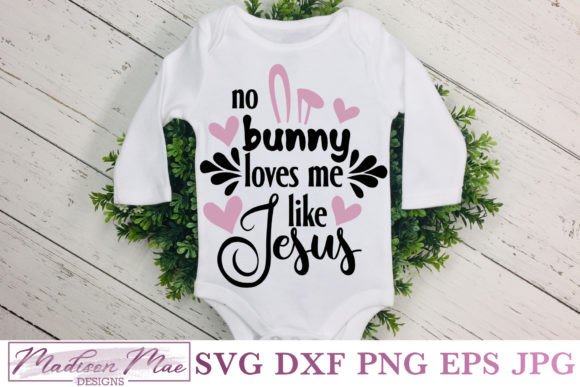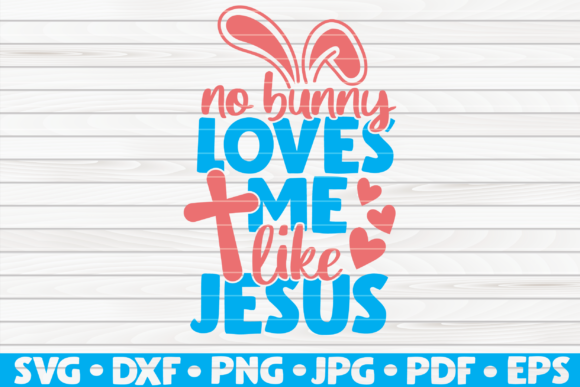
No Bunny Loves Me Like Jesus Vector: A Design Asset
In the ever-evolving landscape of graphic design, finding a creative asset that balances a specific message with versatile aesthetic appeal can be a genuine game-changer for your project workflow. Whether you are working on a branding package, a social media campaign, or a series of print designs, the visual elements you choose must communicate effectively while maintaining a polished, professional presentation. This is precisely where a thoughtfully crafted element like the No Bunny Loves Me Like Jesus Vector enters the conversation, offering designers a unique intersection of heartfelt messaging and scalable vector artistry.
Why This Vector Matters in Modern Visual Design
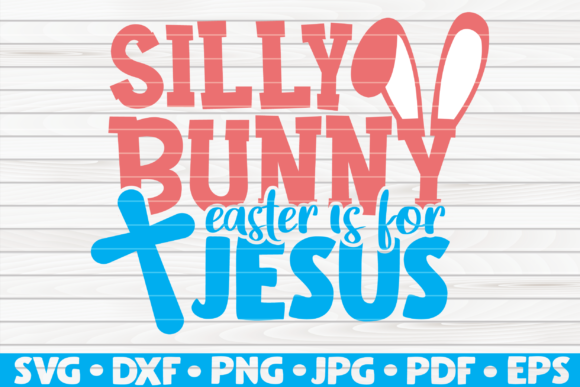
Modern audiences crave authenticity and visual interest. Brands and creators are constantly searching for design inspiration that breaks through the noise of generic stock graphics. This vector asset functions as more than just an illustration; it is a concentrated piece of visual communication. Its typography and composition are crafted to establish an immediate emotional connection, making it highly effective for strengthening brand identity in niche markets, faith-based initiatives, or projects that require a touch of warmth and personality. The clean vector format ensures that it integrates seamlessly into your existing design workflow, maintaining crisp lines and vivid impact whether scaled down for a website icon or blown up for a large-format poster.
Practical Applications Across Creative Projects
The true value of a high-quality vector lies in its adaptability. The No Bunny Loves Me Like Jesus Vector can elevate a wide range of creative projects, providing a distinct visual hook that resonates with viewers. Here are some of the most effective ways to leverage this asset:
- Branding & Logo Design: Incorporate the unique typography and illustrative elements as a central part of a brand's visual identity or as a versatile supporting graphic that reinforces core values.
- Digital Marketing & Social Media Graphics: Create highly engaging, shareable content for platforms like Instagram, Facebook, and Pinterest where message-driven visuals drive interaction and brand recall.
- Web Design & UI Design: Use the vector as a hero image, a section divider, or a call-to-action accent that reinforces the site’s core message without relying solely on photography.
- Print Design & Editorial Design: Perfect for greeting cards, inspirational posters, t-shirt graphics, and editorial layouts where the visual hierarchy needs to guide the reader directly to the emotional core of the content.
- Packaging Design & Merchandise: Apply the design to product packaging or physical merchandise to create a tangible connection with the audience, strengthening brand recall and loyalty.
Tips for Maximizing the Asset in Your Workflow
To fully leverage this vector in your next project, consider a few essential graphic design principles. First, evaluate your existing color palette. While the vector provides a strong visual starting point, adjusting the hues to align with your brand’s specific color guidelines will ensure consistency across all touchpoints. Second, pay close attention to typography. The vector itself carries typographic elements, but how you pair it with supporting fonts in your layout will determine the overall success of your visual hierarchy. Simplicity often yields the most powerful results; give the asset enough breathing room to let its message resonate.
Integrating with Brand Identity and Design Systems
When incorporating unique creative assets into an established brand identity, compatibility is key. Analyze the style of the vector—is it modern, whimsical, or traditional? Matching this style with complementary imagery and UX design choices creates a cohesive user experience. For UX and UI designers, this vector can serve as a powerful emotional anchor on a landing page, immediately communicating the brand’s values before a user reads a single line of body copy. This alignment of visual design and user psychology is what separates good design from great design. By carefully considering scalability, readability, and audience expectations, you ensure the vector enhances rather than distracts from your broader communication goals.
Ultimately, the power of a vector graphic lies not just in its technical construction, but in its ability to communicate a message with clarity and emotional weight. For graphic designers, brand strategists, and content creators, high-quality vectors are more than just decorative elements; they are foundational tools for building visual stories that connect. By thoughtfully integrating such pieces into your broader design strategy—from web design to packaging—you ensure that your creative projects are not only visually striking but also deeply resonant with your intended audience. Prioritizing quality, message-driven design assets is a direct investment in the effectiveness of your visual communication and the strength of your overall brand identity.