Praying Hands Christian Faith Cut File: A Practical Guide for Crafters
Whether you are preparing for a church retreat, designing gifts for a Bible study group, or creating meaningful home decor, digital cut files have opened up new possibilities for faith-based crafting. The Praying Hands Christian Faith Cut File has become a popular resource for those who want to incorporate a classic symbol of prayer and devotion into their projects. But like any digital product, it comes with specific strengths and limitations. This article explores what makes this cut file distinct, how it compares with other options, and how to decide if it fits your particular project or workflow.
What Is the Praying Hands Christian Faith Cut File?
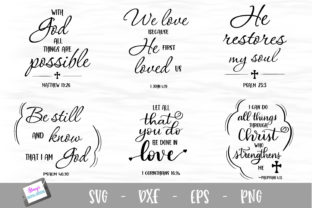
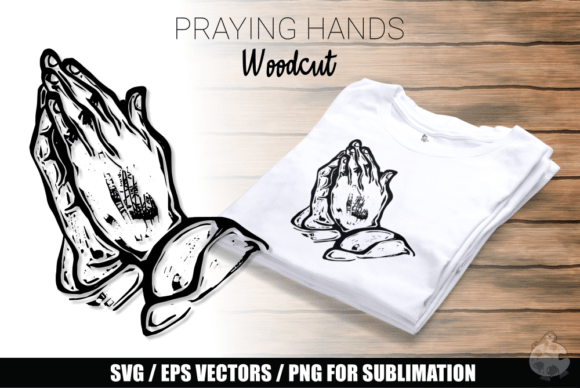
A cut file is a digital design used with electronic cutting machines such as Cricut, Silhouette, or Brother ScanNCut. The Praying Hands Christian Faith Cut File typically features a line art or silhouette of hands clasped in prayer, often paired with crosses, Bible verses, or other Christian motifs. The design is delivered in formats like SVG, DXF, PNG, and EPS, making it compatible with most cutting machine software.
What sets this particular cut file apart is its focus on a universally recognized Christian symbol—the praying hands—rendered in a way that is clean, versatile, and ready to cut. Unlike generic clip art, it is optimized for cutting machines, meaning lines are continuous, paths are closed, and details are scaled to work on common materials like vinyl, cardstock, adhesive foil, or heat transfer film. The "Christian Faith" label signals that the design aligns with traditional evangelical or Protestant imagery, though the praying hands image itself transcends denominational boundaries.
How It Compares with Other Christian Craft Resources
When you explore faith-based crafting, you encounter several resource types. Understanding how the Praying Hands Christian Faith Cut File stacks up against them helps you choose the right tool for your project.
Pre‑Made Physical Products
Buying a ready‑made vinyl decal or iron‑on transfer requires no design work and no cutting machine. You simply peel and apply. However, you are limited to the sizes, colors, and quantities available from the seller. With the cut file, you can cut the design at any size, in any color of your chosen material, and produce as many copies as you need—ideal for a group of 20 or a single custom piece. The tradeoff is the initial investment in a cutting machine and the time needed to learn the software.
Printable Sheets or Digital Papers
Printable Christian designs can be printed at home and cut by hand. This is a low‑cost entry point, but hand‑cutting intricate details like fingers and folds on praying hands is tedious and often imprecise. The cut file delivers precision that is difficult to match with scissors or a craft knife. On the other hand, printed designs allow for full‑color gradients and photographs, which the Praying Hands Christian Faith Cut File typically avoids because solid‑color cuts are the norm for vinyl and cardstock.
Hand‑Drawn or Original Art
If you or someone in your group draws well, you can sketch praying hands for each project. That offers complete creative control and a personal touch. But reproducing that art consistently across multiple items takes considerable skill and time. A cut file gives you uniformity and speed, which matters when you are producing items for a ministry event or a small‑batch sale. The tradeoff is that you work within the constraints of a pre‑designed vector—you cannot easily change the style from realistic to abstract without editing skills.
Strengths of the Praying Hands Christian Faith Cut File
- Scalability without loss of quality. Vector files (SVG, DXF) can be enlarged to poster size or shrunk to a bookmark without pixelation. This flexibility is essential if you plan to use the same file for banners, labels, and iron‑ons.
- Consistency across multiple cuts. Once you set the material and cut settings, every piece is identical. For church volunteers making 50 gift tags, this uniformity saves time and avoids variations.
- Material versatility. The same file works on adhesive vinyl, heat transfer vinyl, cardstock, chipboard, fabric, and even thin wood or acrylic (with the correct blade). You are not locked into one medium.
- Editable in basic software. Because cut files are vector‑based, you can resize, rotate, weld, or combine them with text and other elements using your cutting machine’s design space. No advanced graphic design skills are required to customize the layout.
Tradeoffs to Consider
No resource is perfect for every situation. The Praying Hands Christian Faith Cut File has limitations that may influence your decision.
It requires a cutting machine. If you do not own a Cricut, Silhouette, or similar device, the file is useless unless you have access to one through a friend or a makerspace. In that case, a printable design or physical sticker may be more practical.
Learning curve with software. While the file itself is ready to use, you still need to navigate the cutting software—importing, sizing, adjusting pressure, and performing test cuts. For a first‑time user, this learning process can be frustrating. Many crafting groups offer tutorials, but it is not a zero‑effort solution.
Design limitations. The praying hands in a typical cut file are simplified for clean cutting. If you prefer highly realistic, shaded, or detailed artwork (such as a photograph of a sculpture), a cut file will not capture that nuance. You might need a printed solution or a more complex multi‑layer SVG designed for paper layering.
File compatibility. While most cut files include multiple formats, some older machines or basic software may not support SVG or DXF. Always check that the file extension matches your machine’s requirements. Silhouette Studio, for example, works with SVG, while Cricut Design Space accepts SVG and PNG (for print‑then‑cut).
Best‑Fit Use Cases for the Praying Hands Christian Faith Cut File
This resource shines in specific scenarios. Understanding these can help you determine whether it is the right choice for your next project.
- Church events and retreats. When you need to produce matching name tags, water bottle decals, or notebook covers for a group, the cut file allows you to batch‑produce quickly. You can also customize each piece with a person’s name by combining text with the praying hands design.
- Gift making for small groups. A handful of handmade items—prayer journals, canvas totes, coffee mugs—become special when they carry a consistent faith image. Because you control size and color, you can adapt the design to each recipient’s preference while keeping the same core symbol.
- Sunday school classroom materials. Teachers can use the cut file to create laminated prayer cards, felt boards, or bulletin board borders. The durability of cut materials (especially vinyl or laminated cardstock) stands up to handling by children.
- Personal devotion tools. Some crafters use the cut file to create wall art for their prayer corners, Bible journal covers, or bookmarks that reinforce a visual reminder of faith.
When an Alternative Might Serve You Better
Not every project calls for a cut file. Here are situations where you may want to look beyond the Praying Hands Christian Faith Cut File.
You lack access to a cutting machine. If you only need one or two items, the cost and learning investment are hard to justify. Consider a pre‑made vinyl decal (often available for under $10) or a printable design that you can cut out with scissors. If you plan on multiple projects over time, borrowing a machine or investing in an entry‑level model changes the equation.
You want a highly detailed or artistic rendering. The praying hands symbol can be drawn in many styles—from simple line art to intricate, shaded illustrations. If your vision includes realistic hand contours, shadows, or a watercolor effect, a cut file will not deliver that on its own. You could use a print‑then‑cut SVG (PNG with white background) to combine the detailed image with a cutting machine outline, but that adds complexity. For purely artistic projects, a digital print or a hand‑painted piece may be more satisfying.
You need the project immediately. Downloading a file, cutting it, weeding the excess material, and applying it takes time—especially if you are new to the process. If you need a finished product in the next hour, buying a ready‑made sticker or decal is faster.
You work with materials that the file cannot handle. While the cut file works on many surfaces, some specialty fabrics, textured paper, or very thin materials may not cut cleanly. In those cases, a digital printing method or an embroidered patch might be a better fit.
Decision Factors: File Format, Skill Level, and Purpose
Before purchasing or downloading any cut file, evaluate three key dimensions: file format compatibility, your own skill level, and the purpose of the project.
File format. Most Praying Hands Christian Faith Cut Files include SVG, DXF, PNG, and EPS. SVG is the most widely supported vector format for modern cutting machines. DXF works with older Silhouette versions and some laser cutters. PNG is useful for print‑then‑cut or for previewing. If your software only accepts a specific format, verify that the file package includes it. Some sellers list formats in the description; if not, message them before purchase.
Skill level. If you have never used a cutting machine before, plan to watch a few tutorials. The cut file itself is straightforward, but sizing, mirroring for iron‑on, and weeding can be new skills. Many crafters find that after one or two practice cuts, the process becomes intuitive. For experienced users, the same file offers quick scalability and customization options like layering different colors for a multi‑tone look.
Purpose. Ask yourself: Is this a one‑time project, or will I use this design repeatedly? If it is a one‑off gift, a printed or pre‑made option may be simpler. If you anticipate making the same design for multiple events (e.g., a yearly retreat), investing in a cut file saves time over the long run. Also consider whether you need the design in different sizes—cut files excel at this, while printed items are fixed to one size unless you resize digitally.
Making Your Choice: Practical Examples
Example 1: Youth group leader creating custom t‑shirts. You want to make 30 shirts with a praying hands graphic and the group’s name. Using a Praying Hands Christian Faith Cut File, you cut heat transfer vinyl in three colors, weed the design, and press each shirt. The total time is about two hours once the files are set up. The cost per shirt is low because you purchase materials in bulk. If you had bought pre‑made iron‑ons, you would pay more per shirt and have limited size/color choices. The cut file is the clear winner here.
Example 2: Individual creating a single framed wall art piece. You want an 8x10 print of praying hands with a soft watercolor background. A cut file is not ideal for this—you would end up with a solid vinyl shape on a backing. Better options: a digital printable design (download, print on photo paper, frame) or a physical art print. The cut file could be used to create a layered paper cutout, but the watercolor effect would be lost. In this case, an alternative resource aligns better with the artistic goal.
Example 3: Sunday school teacher needing 20 small prayer cards. Each card should have praying hands and a short Bible verse. You can cut the design from cardstock using the cut file, glue the verse text (cut separately or stamped), and laminate. The repetition is fast because you cut a whole sheet of cardstock at once. If you tried to print and hand‑cut, the detailed hand shapes would take far longer and might not look uniform. The cut file offers efficiency and neatness that a classroom setting appreciates.
Informed Decision‑Making
Ultimately, the Praying Hands Christian Faith Cut File is a practical tool for those who already use or are willing to adopt a cutting machine. It offers control over size, material, and quantity that few other resources can match for faith‑based projects. But it is not a universal solution—its precision depends on your willingness to learn the cutting process, and its design is inherently simplified for vector cutting.
When evaluating your options, consider the full workflow: from file download to finished application. Factor in your time, budget, and how many items you need. For batch consistency and long‑term reuse, the cut file stands out. For one‑off artistic pieces or immediate needs, simpler alternatives may serve you better. By matching the tool to the task, you ensure that your crafting time and resources are well spent, and that the final piece honors the faith you wish to express.