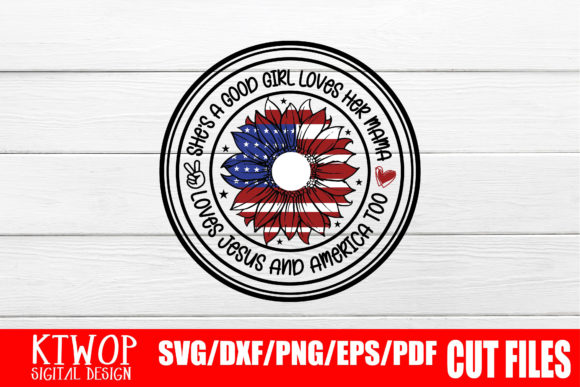
She's a Good Girl Loves Her Mama - Loves Jesus and America Too: The Archetype That Speaks to Modern Authenticity
In an era where identity is often fragmented and values feel increasingly contested, a single phrase has emerged as a cultural shorthand for a cohesive worldview: She's a Good Girl Loves Her Mama - Loves Jesus and America Too. At first glance, it reads like a playful tagline. But look closer, and you will find a declaration of priorities that resonates deeply across professional, creative, and entrepreneurial communities. This is not merely a sentiment; it is an archetype—a blueprint for how a growing number of people are choosing to define themselves, their brands, and their work in a world hungry for clarity.
For professionals and creators who build products, content, and communities, understanding this archetype is not optional. It is a lens through which to interpret shifting consumer expectations, evolving workplace cultures, and the relentless pursuit of meaning in every transaction. This article unpacks what She's a Good Girl Loves Her Mama - Loves Jesus and America Too truly represents, why it commands attention, and how it fits into broader market and lifestyle trends that are reshaping the landscape for entrepreneurs, marketers, and enthusiasts alike.
What She's a Good Girl Loves Her Mama - Loves Jesus and America Too Actually Means
To grasp the significance of She's a Good Girl Loves Her Mama - Loves Jesus and America Too, we must move beyond the surface. This phrase is a triple helix of allegiance: family, faith, and country. Each element is deeply grounded in tradition, yet together they form a surprisingly modern statement of identity in an age of fluid affiliations.
The phrase speaks to a person who anchors her life in foundational relationships—starting with her mother. In professional contexts, this signals values like loyalty, respect for authority, and a relational approach to collaboration. The second component, "Loves Jesus," points to faith as a guiding compass, not a private belief but a public orientation that influences ethics, decisions, and how one shows up in business. The third thread, "Loves America Too," is a declaration of patriotism—a commitment to shared ideals, opportunity, and a collective narrative that transcends individual success.
Together, these three pillars form what we might call an integrated identity. For the entrepreneur, the freelancer, or the marketer, this archetype represents a refusal to compartmentalize. It is a life where personal values are not left at the door of the office but are woven into the fabric of how one operates. This is a significant departure from the hyper-specialized, brand-voice-obsessed culture that has dominated professional life for decades. Instead, it offers a return to authenticity—messy, human, and deeply rooted.
Why This Archetype Is Gaining Traction Among Professionals and Creators
The question is not if people are paying attention to She's a Good Girl Loves Her Mama - Loves Jesus and America Too, but why. The answer lies in a convergence of cultural and economic pressures that have left many feeling untethered. Consider the following shifts that make this archetype increasingly relevant.
The Authenticity Premium in Marketing and Branding
For years, marketers have chased "authenticity" as a buzzword. But consumers have become adept at spotting performance over conviction. The phrase She's a Good Girl Loves Her Mama - Loves Jesus and America Too carries an unmistakable authenticity because it does not try to please everyone. It is unapologetically specific. In a marketplace saturated with generic messaging, specificity cuts through. An entrepreneur who embodies this archetype can build a brand that feels like a person, not a corporation. Clients and collaborators gravitate toward that clarity because it reduces friction—they know what you stand for.
Reclaiming Identity in a Polarized Landscape
Cultural polarization has created an environment where many professionals feel pressure to adopt sanitized, neutral positions. Yet a growing segment of creators and business owners is rejecting that pressure. They see the embrace of She's a Good Girl Loves Her Mama - Loves Jesus and America Too as an act of intellectual and spiritual honesty. It is a way to signal values without apology, attracting aligned audiences and repelling misaligned ones. For the freelancer or small business owner, this is not just a philosophical stance—it is a practical strategy for building a loyal, engaged community.
Workplace Culture and the Search for Meaning
Professionals are no longer satisfied with jobs that merely pay the bills. The modern workforce, from the solopreneur to the remote team member, craves work that aligns with a larger purpose. The archetype of She's a Good Girl Loves Her Mama - Loves Jesus and America Too offers a ready-made framework for that purpose. It suggests that work should honor family, be guided by faith, and contribute to the broader good of the nation. For entrepreneurs building teams, this framework can be a powerful cultural anchor—a shared set of values that guides hiring, decision-making, and customer relationships.
How She's a Good Girl Loves Her Mama - Loves Jesus and America Too Fits Broader Consumer and Lifestyle Trends
This archetype does not exist in a vacuum. It aligns with several observable trends that professionals should understand in order to stay ahead.
The Rise of Values-Driven Consumption
Consumers increasingly vote with their wallets. They want to know the story behind the product, the character of the founder, and the principles that guide the company. She's a Good Girl Loves Her Mama - Loves Jesus and America Too is a values statement that can be packaged into a brand story, a product line, or a content series. Whether it is a clothing line, a podcast, or a consulting practice, the archetype provides a narrative spine that consumers can latch onto. It answers the question "Why should I care?" with a clear, emotional response.
The Nostalgia Economy and the Return to the Tangible
There is a well-documented trend toward nostalgia in consumer behavior—people are seeking comfort in the familiar. But this is not mere sentimentality. It is a reaction against the ephemeral nature of digital culture. The phrase She's a Good Girl Loves Her Mama - Loves Jesus and America Too evokes a sense of timelessness. It references relationships and institutions that predate the internet. For creators and marketers, tapping into this nostalgia means offering products and experiences that feel rooted, durable, and personal. It is a counterbalance to the disposable content economy.
Community Over Audience
The creator economy has shifted from building large, passive audiences to cultivating small, engaged communities. The archetype of the "good girl" who loves her mama, Jesus, and America is inherently community-minded. It speaks to a network of relationships, not a mass of strangers. Freelancers and entrepreneurs who embody this archetype naturally attract people who share those values, creating a tribe rather than a following. This is the difference between a transactional customer base and a loyal community that sustains a business over time.
Practical Ways Professionals Can Engage with This Archetype
Understanding She's a Good Girl Loves Her Mama - Loves Jesus and America Too is one thing; applying it is another. Here are practical, actionable ways that professionals, creators, and entrepreneurs can integrate this archetype into their work without resorting to tokenism.
- Authentic content creation: If you run a blog, podcast, or social media account, let your values be visible. Share stories about how your family shaped your work ethic, how your faith influences your decisions, or what you love about your country. The goal is not to preach but to show consistency between your values and your output.
- Brand partnerships and collaborations: Seek out other creators and businesses that align with this archetype. A partnership with a brand that celebrates family, faith, and patriotism will resonate more deeply with your audience than a generic sponsorship. The alignment creates a multiplier effect for trust.
- Product development with purpose: Whether you sell digital products, physical goods, or services, design them with the same priorities in mind. For example, a freelancer might offer a "family-first" scheduling policy or a product line that donates to faith-based or patriotic causes. These are not marketing stunts; they are operational expressions of your values.
- Hiring and team building: If you lead a team, use the archetype as a filter—not for faith or politics, but for the underlying values of loyalty, responsibility, and a commitment to something larger than self. You will attract team members who are aligned and motivated by shared purpose.
Why This Matters for Marketers, Entrepreneurs, and Enthusiasts
The landscape of professional life is being reshaped by a fundamental question: What do we stand for? For decades, the answer was often "growth," "innovation," or "disruption." Those are still relevant, but they are no longer sufficient. The people you want to reach—whether they are customers, clients, or collaborators—are looking for something deeper. They want to know that you are a good person, that you honor your roots, that you believe in something, and that you are proud of where you come from.
She's a Good Girl Loves Her Mama - Loves Jesus and America Too encapsulates that desire in a single, memorable statement. It is a cultural artifact that professionals can either ignore or leverage. Those who choose to engage with it thoughtfully will find that it opens doors to communities that value integrity over spin, relationship over transaction, and purpose over profit.
Connecting the Archetype to Larger Developments
This archetype is not an isolated phenomenon. It is part of a broader shift toward values capitalism—the idea that businesses and creators must serve not only shareholders but stakeholders, including families, communities, and the nation. The rise of localized production, the resurgence of craft economies, and the growing emphasis on mental health and work-life balance all intersect with the priorities embedded in She's a Good Girl Loves Her Mama - Loves Jesus and America Too.
Moreover, the political and social climate has made it clear that neutrality is often perceived as inauthentic. Customers respond to courage. They respond to people who are willing to say what they believe and then live it out. The archetype offers a principled way to do that—one that is grounded in love, not division. That is a powerful distinction in an era of culture wars.
Observation from the Field
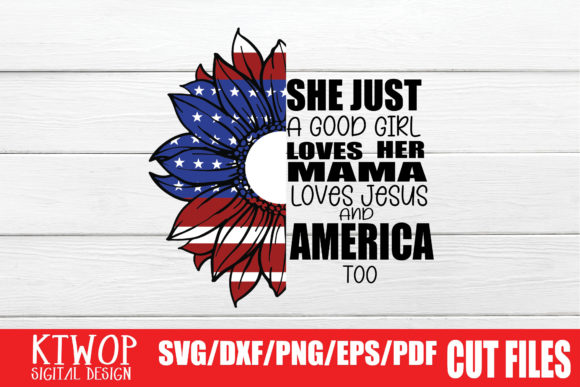
Consider the example of a small-batch apparel brand that uses the phrase She's a Good Girl Loves Her Mama - Loves Jesus and America Too as a design element. The brand does not simply print words on a shirt; it builds an entire identity around the values represented. The founder shares stories of learning to sew from her mother, donates a portion of profits to a faith-based community program, and sources materials from American suppliers. The result is not a product but a movement. Customers do not just buy a shirt; they buy into a worldview. That is the power of this archetype applied with intention.
Final Thoughts on Relevance and Longevity
Some might dismiss She's a Good Girl Loves Her Mama - Loves Jesus and America Too as a passing fad or a niche cultural reference. But the evidence suggests otherwise. The values it represents—family loyalty, spiritual grounding, and patriotic commitment—are enduring. They have been central to human flourishing for generations. What has changed is that professionals are now more willing to integrate these values into their public and professional lives without apology.
For marketers, this means creating campaigns that honor instead of exploit. For entrepreneurs, it means building businesses that serve as vehicles for these values rather than just engines of revenue. For freelancers and creators, it means showing up as whole people, not as curated avatars. The archetype is a permission structure to bring your full self to your work—and to attract the people who are looking for exactly that.
As you move forward, consider how She's a Good Girl Loves Her Mama - Loves Jesus and America Too might inform your own professional identity. It is not about adopting a label. It is about aligning your actions with your deepest convictions. In a world that is starved for authenticity, that alignment is the most valuable currency you can offer.