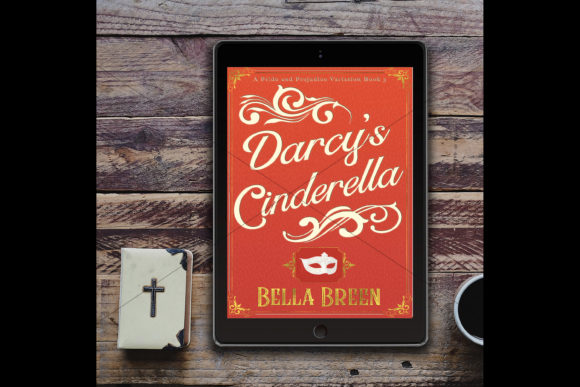
The Prayerbook Christian Book Cover Mockup: A Practical Tool for Ministry and Creative Work
If you have ever tried to present a book cover idea to a client, a committee, or even just to yourself before committing to a final design, you already know the gap between a flat digital file and a real printed book. That gap is where a Prayerbook Christian Book Cover Mockup becomes genuinely useful. It is not just a fancy graphic file—it is a way to see what a prayer book, devotional journal, or faith-based guide will look like in someone's hands, on a table at a church coffee hour, or displayed on a retail shelf. For anyone working in Christian publishing, ministry support, or creative content creation, this kind of mockup turns an idea into something tangible before a single physical copy exists.
The beauty of a well-made mockup is that it removes guesswork. Instead of imagining how the cover works with the spine, or how the lighting will hit the title text on a textured paperback, you can drop your design into a pre-built scene and see it immediately. That shift from abstract to concrete matters more than most people realize. When you are trying to convince a board, a partner, or even your own team that the cover works, a mockup does the talking for you.
Why the Right Mockup Matters for Christian Publishing
Faith-based materials carry a specific weight. A prayerbook cover is not just a wrapper—it is often part of a person's daily devotional life, a gift for a baptism or confirmation, or a resource used in small group study. The design needs to communicate reverence, warmth, and clarity. A generic mockup might show the cover flat on a screen, but a purpose-built Prayerbook Christian Book Cover Mockup places the design in a context that feels familiar and respectful. It shows the book resting on a wooden lectern, lying open on a worn pew, or held in hands during a quiet moment. These scenes help creators and decision-makers assess not just the colors and typography, but also the emotional tone of the cover.
When you are working with a limited budget—and many faith-based projects operate with tight resources—a mockup also saves money. Instead of printing several proof copies just to judge the cover, you can test multiple design variations in realistic settings. That means fewer reprints, less wasted time, and a smoother path to a finished product that people actually want to pick up.
Self-Publishing Authors Preparing for Launch
Consider an author who has spent two years writing a daily devotional for Lent. She knows the content is solid, but when it comes time to market the book online, she needs more than just a JPEG of the front cover. She needs to show potential buyers what the physical book will feel like. Using a Prayerbook Christian Book Cover Mockup, she can generate images for her website, social media posts, and Kickstarter campaign that show the devotional lying open on a kitchen table with a coffee cup beside it. Those images create a sense of lifestyle and use that a simple cover file cannot. They tell people: this book belongs in your life.
Church Committees Designing Worship Materials
Church committees often face the challenge of approving materials that multiple stakeholders will use. Whether it is a new prayer book for Advent, a wedding service booklet, or a collection of funeral readings, the cover must suit the congregation's needs and the occasion's tone. A mockup allows the committee to see how the design works in a physical format before approving a print run. They can evaluate whether the spine text is readable from a distance, whether the cover stock appears too glossy or too matte, and whether the imagery aligns with the church's visual identity. This shared visual reference reduces back-and-forth debates and leads to faster decisions.
Graphic Designers Serving Faith-Based Clients
Freelance designers and creative agencies who work with religious clients regularly face a common problem: explaining design choices to people who are not visually trained. A mockup bridges that gap. When a designer presents a Prayerbook Christian Book Cover Mockup in a realistic setting, the client is far more likely to understand how the cover functions in real life. The designer can point to how the title catches light, how the spine aligns with the front image, and how the overall composition works from three feet away. For the client, the mockup transforms an abstract design into a product they can almost touch. That builds trust and reduces revision cycles.
Small Press Publishers Streamlining Production
Small Christian presses often operate with lean teams and multiple titles in development. A catalog of upcoming prayerbooks needs consistent visual presentations for preorders, distributor catalogs, and advance reader copies. Using a uniform mockup template across a series of books creates a cohesive brand identity while saving hours of layout work. The same Prayerbook Christian Book Cover Mockup can be reused for each title by swapping the cover art and adjusting the spine width. This efficiency lets small publishers look professional without overextending their production budget.
Bloggers and Content Creators Building Authority
Faith-focused bloggers, YouTubers, and Instagram creators often review books or recommend resources to their audience. When they feature a prayerbook on their channel or feed, a flat cover scan does little to inspire trust. A mockup that shows the book in a beautiful, natural setting—maybe on a porch railing with morning light, or next to a journal and pen—makes the content feel curated and credible. Affiliate marketers especially benefit from this approach. When a follower sees a prayerbook displayed in a warm, inviting scene, they are more likely to click the link and buy. The mockup does the selling without feeling like a sales pitch.
Practical Considerations Before Choosing a Mockup
Not all mockups are built the same way. Before you download, buy, or use a Prayerbook Christian Book Cover Mockup, here are a few factors worth checking:
- File format and editing method. Some mockups use Photoshop smart objects, which require Adobe Photoshop to replace the placeholder design. Others come as Canva templates or use online mockup generators. Choose the format that matches your software skills and workflow. If you do not own Photoshop, look for a Canva-friendly version or a drag-and-drop web tool.
- Resolution and output size. A mockup that looks good on screen may not hold up in print. Make sure the mockup file is high enough resolution for your intended use. If you plan to use the mockup image for online marketing, 72 DPI is fine. If you need the mockup for a printed catalog or a large-format poster, look for 300 DPI files.
- Customization range. Some mockups only let you change the front cover. Others allow you to adjust the spine, back cover, page thickness, and even the background environment. Think ahead about how much flexibility you need. If you plan to create multiple variations, a fully layered file with independent controls will save you frustration.
- License terms. Commercial use licenses vary. Some mockups are free for personal use but require a paid license for promotional or commercial projects. Always check the license agreement before you use the mockup in client work, product listings, or paid advertising. This step is especially important for designers and publishers who need to protect their clients from copyright issues.
- Scene appropriateness. A prayerbook mockup that places the book on a rustic wooden table may fit a traditional church audience perfectly, while a modern glossy scene might appeal to a younger ministry group. Consider where your audience will encounter the image and choose a scene that matches the tone of your content.
Connecting Features to Real Outcomes
A mockup with soft natural lighting and a slightly worn texture around the edges does not just look pretty—it communicates durability and warmth. That matters when your target audience is looking for a prayerbook they will use daily, perhaps carry in a bag, and mark up with notes. A cover that appears too stiff or sterile may signal the opposite. The right Prayerbook Christian Book Cover Mockup helps you test these subtle cues before you commit to a print run.
Similarly, a mockup that shows the book from multiple angles—front, spine, and open pages—gives viewers a complete sense of the object. For an online retailer, that completeness reduces hesitation. Shoppers who see the book from three perspectives are more likely to add it to their cart because they feel they already know what to expect. For a committee or a client, those multiple angles provide the assurance that every side of the cover has been considered.
Final Thoughts: Who Benefits Most and Why
The people who get the most value from a Prayerbook Christian Book Cover Mockup are not necessarily professional designers. They are anyone who needs to communicate a book's presence and purpose before the book physically exists. A solo author trying to attract preorders. A pastor planning a congregational resource. A small press owner juggling five projects at once. A blogger who wants her readers to see the book as a trusted companion. In all these cases, the mockup serves as a bridge between intention and reality.
If you are someone who has ever hesitated to present a cover because it looked flat or unconvincing, the right mockup removes that hesitation. It lets you show not just what the cover looks like, but what the book feels like in someone's hands. And for Christian content especially—where the goal is often to invite quiet reflection, daily practice, or communal worship—that sense of presence makes all the difference. Choose a mockup that fits your skill level, your audience, and your project's tone, and you will find that the cover you once second-guessed suddenly becomes a cover you believe in.