The Strategic Value of Jesus Clipart Illustration in Modern Digital Content
In an era where visual communication drives engagement and meaning, the demand for authentic, accessible, and versatile imagery has never been greater. Among the many visual assets that professionals and creators seek, Jesus Clipart Illustration occupies a uniquely significant position. Far from being a simple decorative element, this genre of digital artwork serves as a bridge between faith-based messaging and contemporary content design. For entrepreneurs, marketers, freelancers, and creators who operate at the intersection of faith and commerce, understanding how to use Jesus Clipart Illustration effectively is not merely a stylistic choice—it is a strategic one.
This article explores the practical, creative, and market-driven reasons why Jesus Clipart Illustration has become a relevant asset in today's content ecosystem. We will examine its role within broader visual communication trends, the changing expectations of audiences, and how professionals can integrate these illustrations into their workflows with purpose and impact.
What Exactly Is Jesus Clipart Illustration?
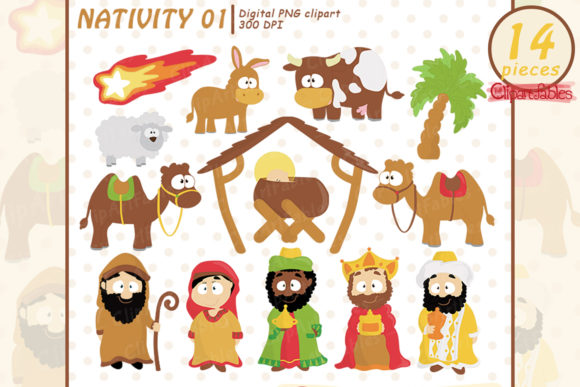
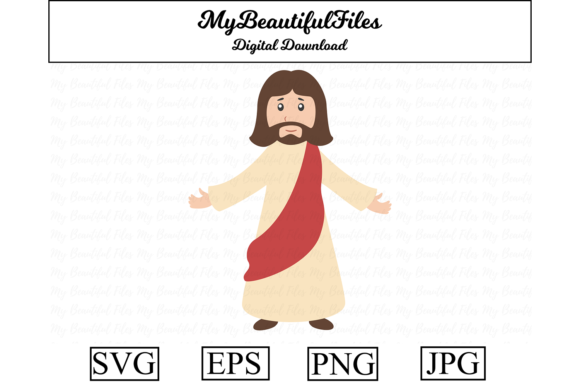
At its core, Jesus Clipart Illustration refers to digitally rendered, often simplified visual depictions of Jesus Christ, designed for use in a wide range of media. These illustrations range from minimalist line art to fully colored, stylized graphics. Unlike fine art or classical religious paintings, clipart illustrations are optimized for digital distribution, scalability, and integration into websites, presentations, social media graphics, print materials, and video content.
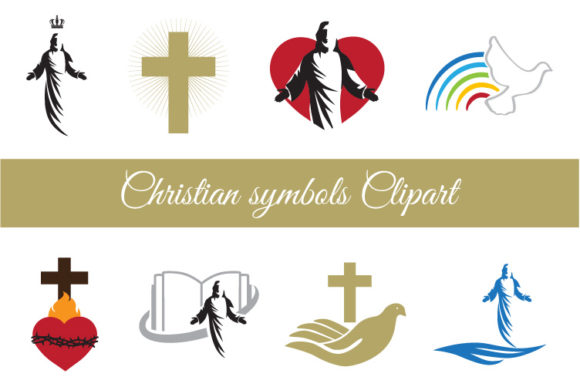
The key distinction of modern Jesus Clipart Illustration lies in its intentional design for accessibility. These illustrations are typically created with clear outlines, flat colors, and a focus on recognizable iconography—such as the cross, crown of thorns, or open arms—making them immediately identifiable even at small sizes. For professionals who produce content for faith-oriented audiences, this visual shorthand is invaluable. It allows for rapid communication of spiritual themes without the need for elaborate artistic interpretation.
Moreover, contemporary Jesus Clipart Illustration often reflects diverse artistic styles, from modern and abstract to traditional and reverent. This diversity enables creators to select imagery that aligns with their brand identity, audience expectations, and the emotional tone of their content. Whether used in a church bulletin, a devotional app, a faith-based e-commerce site, or a social media campaign, these illustrations serve as a consistent visual anchor.
The Broader Context: Visual Communication and Faith-Based Content
The rise of Jesus Clipart Illustration cannot be understood in isolation. It is part of a larger shift toward visual storytelling in digital communication. As attention spans shorten and platforms become more image-driven, the ability to convey complex ideas quickly through visuals has become a core competency for marketers and content creators. In the faith-based sector, where messages often carry deep emotional and spiritual weight, the right illustration can make the difference between a message that resonates and one that is overlooked.
Religious organizations, ministries, and faith-driven businesses have increasingly adopted digital tools to reach their communities. This digital transformation has created a parallel need for visual assets that are both respectful and practical. Jesus Clipart Illustration meets this need by providing imagery that is appropriate for digital contexts while remaining faithful to the theological and cultural significance of the subject. It allows organizations to maintain visual consistency across platforms, from websites to mobile apps to printed materials.
Furthermore, the broader trend toward inclusive and diverse representation in media has influenced the creation of Jesus Clipart Illustration as well. Illustrators now produce variations that reflect different cultural, ethnic, and stylistic interpretations, acknowledging the global nature of Christianity. For creators serving international or multicultural audiences, this diversity is a practical necessity, not an option.
Why Professionals and Creators Are Paying Attention
The growing interest in Jesus Clipart Illustration among professionals and creators stems from several converging factors. First, the cost and time efficiency of using clipart versus commissioning original artwork is significant. For freelancers and small businesses operating with limited budgets, access to high-quality, affordable illustrations can fundamentally change the scope of what they can produce. Rather than investing hundreds or thousands of dollars in custom art for every project, they can leverage a library of Jesus Clipart Illustration assets that are already designed for commercial use.
Second, the rise of content marketing within faith-based organizations has created a steady demand for visual assets. A church that publishes weekly blog posts, daily social media content, monthly newsletters, and event flyers needs a reliable source of imagery. Jesus Clipart Illustration provides a scalable solution that does not compromise on quality or relevance. Marketers in this space have found that consistent use of a recognizable illustration style builds brand recognition and trust among their audience.
Third, the increasing sophistication of digital design tools has lowered the barrier to entry for non-designers. Platforms like Canva, Adobe Express, and others offer integrated libraries of clipart, including Jesus Clipart Illustration. This empowers entrepreneurs, ministry leaders, and volunteers to create professional-looking materials without formal design training. The result is a wider distribution of visually coherent faith-based content across the web.
Changing Needs and Expectations in the Audience
The audiences that consume faith-based content have also evolved in their expectations. Modern viewers are accustomed to high-quality, visually engaging media in every aspect of their digital lives. They expect the same level of polish from religious content as they do from entertainment, news, or commercial brands. This shift has pushed creators to move beyond text-heavy communications toward more visually rich formats. Jesus Clipart Illustration plays a key role in this transition by offering imagery that is both reverent and modern.
Additionally, there is a growing preference for content that feels personal and relatable. Generic stock photography often fails to capture the specific emotional or theological nuances that faith-based audiences seek. Jesus Clipart Illustration, especially when created with intentionality, can convey warmth, compassion, authority, or humility in ways that resonate more deeply than a photograph of a actor in costume. The illustrative format also avoids the uncanny valley effect that sometimes accompanies religious stock photography, offering instead a stylized representation that invites reflection rather than critique.
Another important consideration is the shift toward mobile-first consumption. Many users encounter faith-based content on smartphones, where screen real estate is limited. Jesus Clipart Illustration with clean lines and clear contrasts performs exceptionally well on small screens, ensuring that the visual message is not lost in translation. For creators who prioritize accessibility and user experience, this is a critical advantage.
Practical Applications Across Different Sectors
The use of Jesus Clipart Illustration extends across a wide variety of professional contexts. For marketers working in faith-based publishing, these illustrations are essential for book covers, promotional graphics, and email campaigns. A well-chosen illustration can convey the theme of a devotional or study guide at a glance, increasing click-through rates and engagement.
For entrepreneurs who run faith-oriented e-commerce stores, Jesus Clipart Illustration appears on product packaging, website banners, and social media ads. It helps create a cohesive brand identity that communicates the values of the business without requiring lengthy explanations. In a crowded marketplace, visual differentiation matters, and a distinctive illustration style can set a brand apart.
Freelancers, including graphic designers, content writers, and social media managers, often incorporate Jesus Clipart Illustration into client projects. By building a library of curated illustrations, they can offer faster turnaround times and more consistent visual output. This is especially valuable for clients who operate in the religious or non-profit sectors, where budgets are often tighter but quality expectations remain high.
In the realm of education and curriculum development, Jesus Clipart Illustration is used in children's ministry materials, lesson plans, and activity sheets. The simple, clear style of clipart makes it ideal for young learners, who respond well to recognizable and friendly imagery. Educators and curriculum designers have found that incorporating these illustrations increases comprehension and retention of biblical stories.
Connecting to Larger Developments in Digital Media
The relevance of Jesus Clipart Illustration is also tied to larger developments in the digital media landscape. The rise of visual search, AI-generated content, and personalized media experiences all point toward a future where imagery must be both adaptable and meaningful. As AI tools become more capable of generating custom illustrations on demand, the underlying demand for high-quality, thematically specific training data will grow. Jesus Clipart Illustration represents a niche but important category within this broader trend.
Furthermore, the emphasis on authenticity in digital marketing has led brands to seek imagery that feels genuine rather than staged. Jesus Clipart Illustration, when created with artistic integrity, can evoke a sense of timelessness and sincerity that resonates with audiences weary of overly polished corporate visuals. This aligns with the broader movement toward human-centered design and emotionally intelligent content.
Finally, the increasing integration of faith and work among professionals has normalized the use of religious imagery in mainstream contexts. Entrepreneurs and creators no longer feel compelled to separate their spiritual identity from their professional output. Jesus Clipart Illustration becomes a tool for expressing that integration visually, whether in a LinkedIn post, a podcast thumbnail, or a webinar slide. This cultural shift has opened new avenues for authentic content creation.
Practical Considerations for Using Jesus Clipart Illustration
For professionals seeking to incorporate Jesus Clipart Illustration into their work, several practical considerations can enhance effectiveness. First, prioritize quality over quantity. A single, well-designed illustration can have more impact than a dozen generic ones. Invest in assets from reputable illustrators who understand both the artistic and theological dimensions of the subject.
Second, ensure that the style of the illustration aligns with your brand's visual identity. A modern, minimalist illustration may suit a contemporary ministry or startup, while a more traditional style may be appropriate for established churches or liturgical content. Consistency in style across all visual assets builds recognition and trust.
Third, consider the context in which the illustration will appear. An image that works well in a printed bulletin may need adjustments for use in a video thumbnail or social media post. Pay attention to resolution, file format, and scalability. Many creators maintain a library of Jesus Clipart Illustration in multiple formats—PNG, SVG, EPS—to ensure flexibility across use cases.
Finally, respect copyright and licensing terms. Not all Jesus Clipart Illustration is free for commercial use. Professionals should source assets from platforms that offer clear licensing agreements, or commission original work when necessary. This protects both the creator and the user from legal complications.
Conclusion
Jesus Clipart Illustration is far more than a simple graphic asset. It is a strategic tool that enables professionals, creators, entrepreneurs, and marketers to communicate faith-based messages with clarity, consistency, and visual appeal. In a digital landscape where attention is scarce and meaning matters, the right illustration can open doors, build connections, and amplify impact.
As the demand for authentic, accessible, and scalable visual content continues to grow, Jesus Clipart Illustration will remain a relevant and valuable resource for those who understand its potential. By approaching it with intentionality—selecting quality assets, aligning with brand identity, and adapting to audience needs—professionals can harness the power of this imagery to enrich their work and serve their communities effectively.
Whether you are a freelancer building a portfolio, a marketer crafting a campaign, or an entrepreneur launching a faith-based venture, the thoughtful use of Jesus Clipart Illustration can elevate your content and deepen your connection with your audience. In a world hungry for meaning, a well-placed illustration speaks volumes.