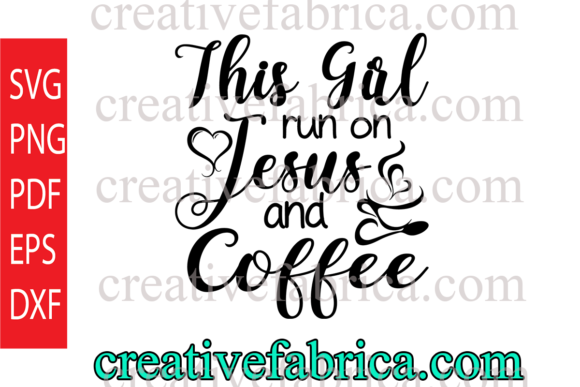
This Girl Runs on Jesus and Coffee
Some phrases capture a lifestyle in just a few words. This Girl Runs on Jesus and Coffee does exactly that. It speaks to the balance of spiritual grounding and practical energy that many women navigate daily. For creators, entrepreneurs, and anyone juggling multiple roles, it represents a truthful acknowledgment of where strength comes from—both the sustaining kind and the caffeinated kind. The phrase has grown beyond a simple tagline into a mindset, a branding anchor, and a creative starting point for countless projects.
At its core, the message combines faith with everyday fuel. It doesn't pretend that life runs on inspiration alone. It admits that some mornings require grace and a hot cup of something strong. That honesty is what makes it resonate. Whether you're designing a product line, writing content, or building a community, this concept offers a foundation that feels both personal and relatable.
What Makes This Phrase So Effective
The power of This Girl Runs on Jesus and Coffee lies in its specificity. It names two distinct sources of energy—one spiritual, one physical—and refuses to elevate either one artificially. It is not preachy, nor is it frivolous. It lands in the middle ground where real life happens. For audiences who value their faith but also appreciate the honest humor of needing coffee to function, this phrase creates an immediate connection.
It also works because it is visual. You can picture the woman behind it: someone who prays and pours herself a mug before the sun comes up. She is disciplined but not rigid. She leans on her beliefs, but she also knows her limits. That image is compelling for anyone building a brand around authenticity, especially in the lifestyle, faith, or creative spaces.
The phrase is versatile enough to appear on a T-shirt, a journal cover, a social media bio, or a blog header. It works across formats because it communicates a clear identity without needing extra explanation. That kind of shorthand is valuable when you are trying to attract the right audience quickly.
Creative Applications Across Different Goals
If you are a blogger or content creator, this phrase can serve as the throughline for your entire platform. Use it as a tagline that sets the tone for posts about morning routines, faith reflections, productivity tips, or even honest conversations about burnout. The duality of the message reminds readers that you are both human and grounded. That balance builds trust over time.
For designers and makers, the phrase opens up visual possibilities. Think typography-heavy designs, rustic or minimalist aesthetics, warm color palettes, and imagery that pairs coffee cups with open Bibles or journal pages. You can create product collections that include mugs, notebooks, wall art, and apparel. The key is to keep the design consistent so that the message feels cohesive across items. A simple, clean font often works better than something overly decorative, because the words themselves carry enough weight.
Small business owners can use the concept to define their brand voice. If your business serves women who are balancing faith, family, and work, this phrase can appear in your email newsletters, product descriptions, or about page. It signals that you understand your customer's daily reality. You are not selling to a demographic. You are speaking to someone who starts her day with prayer and a pour-over.
Adapting the Concept for Different Platforms
Each platform demands a slightly different approach. On Instagram, the phrase works best in short captions or as part of a consistent visual theme. Post photos of your morning setup—a Bible open next to a steaming mug—and let the imagery do the work. Use the phrase in your bio or as a recurring hashtag. Encourage your audience to share their own versions. This builds community around a shared experience rather than just a product.
On a blog or website, you can go deeper. Write posts that explore what This Girl Runs on Jesus and Coffee means in practice. Share your morning rituals, your favorite Bible verses for stressful days, and your coffee brewing method. The combination of spiritual insight and practical detail creates content that is both inspiring and useful. Readers leave with something they can actually apply to their own mornings.
For YouTube or podcast formats, the phrase can become a series title or an episode theme. Each episode could start with a short reflection on faith and then move into a practical topic like time management, creative block, or building a business. The phrase gives your audience a reason to return: they know they will get both depth and practicality in every installment.
If you are publishing a print or digital product, consider using the phrase as a section header or chapter title. A guided journal, for example, could have sections labeled Fuel for the Soul and Fuel for the Day, with prompts that encourage reflection on spiritual growth and daily habits. The structure keeps the user engaged without feeling repetitive.
Keeping the Message Authentic and Audience-Friendly
When you build content or products around a faith-based phrase, authenticity is everything. Audiences can tell when a message feels forced or performative. To keep your results clear and effective, focus on the lived experience behind the words. Share real struggles, not just polished highlights. If you write about needing coffee to function, be honest about the exhaustion. If you write about faith, be honest about the doubts.
Consistency matters too. If your brand uses this phrase, let it show up naturally across your platforms. Use similar language in your about page, your product descriptions, and your social media captions. When someone encounters your brand in multiple places, they should feel like they are meeting the same person each time. That coherence builds recognition and loyalty over the long term.
Another important factor is inclusivity within your niche. While the phrase is explicitly Christian, it is not exclusive in tone. You can still welcome readers or customers who are exploring faith or who appreciate the honest energy of the message without sharing the exact same beliefs. The key is to lead with the universal parts of the experience: the need for grounding, the need for fuel, and the desire to show up fully in daily life.
Originality is also worth protecting. If you use this phrase as a brand anchor, add your own spin to it. Pair it with visuals, colors, or content formats that reflect your personality. Two people can use the same tagline and feel completely different because of how they execute it. Your unique expression is what makes the message land with your specific audience.
Practical Examples for Different Audiences
For a freelance graphic designer, the phrase could inspire an entire portfolio section dedicated to faith-based clients or projects. You might create a brand identity for a coffee shop run by a church group, or design a line of planner stickers that pair Bible verses with coffee-themed icons. The phrase guides your creative direction without limiting it.
For a lifestyle blogger who writes about homemaking and motherhood, This Girl Runs on Jesus and Coffee can be the tagline for a series of posts about managing a household with grace and caffeine. Each post could include a short devotional thought followed by a practical tip, like a cleaning schedule or a meal prep plan. The combination keeps readers returning for both spiritual encouragement and actionable advice.
A marketer working with a faith-based client could use the phrase to shape an email campaign. The subject line might reference coffee, and the body of the email could open with a brief reflection before moving into a product highlight or a call to action. The structure feels personal rather than transactional, which often leads to higher engagement rates in faith-oriented audiences.
For a small business owner who sells journals or stationery, the phrase can anchor an entire product line. Create a collection that includes a prayer journal, a gratitude notebook, and a coffee-themed planner. Package them together as a morning ritual bundle. The branding ties the products together and tells a story that customers want to be part of.
Balancing Inspiration with Practical Guidance
The most effective uses of this phrase avoid drifting into vague inspiration. Instead, pair the sentiment with concrete action. If you post about running on Jesus and coffee, also share how you structure your morning to make that possible. Include the exact time you wake up, what you read, how you pray, and how you brew your coffee. Specifics make the content useful, not just uplifting.
Similarly, when you design products or content, ask yourself whether someone could use or apply what you create. Does the journal have prompts that guide reflection? Does the blog post end with a takeaway that readers can implement tomorrow? Does the product solve a real need for someone who values both faith and function? Answering yes to those questions keeps your work grounded in service to your audience.
The phrase This Girl Runs on Jesus and Coffee is more than a catchy line. It is a declaration of how someone moves through the world. When you treat it as a creative anchor rather than just a slogan, you open the door to projects, products, and content that genuinely connect with people. The best versions of this idea feel like an honest handshake between the creator and the audience—no pretense, just shared grounding and a warm cup of something real.