The Cross Celtic Catholic Christian Logo: A Symbol of Faith, Heritage, and Modern Identity
In a visual world saturated with fleeting trends and disposable graphics, certain symbols carry weight that transcends time. The Cross Celtic Catholic Christian Logo is one such emblem. It is not merely a religious icon; it is a convergence of ancient artistry, deep theological meaning, and cultural heritage. For creators, entrepreneurs, and faith communities alike, understanding the depth of this symbol opens doors to authentic storytelling, brand differentiation, and meaningful connection with audiences who value tradition and craftsmanship.
This article explores the origins, evolution, and practical relevance of the Cross Celtic Catholic Christian Logo in today’s landscape. Whether you are a designer seeking inspiration, a business owner building a brand rooted in values, or a curious reader drawn to the intersection of faith and visual identity, you will find grounded insights and actionable takeaways here.
What the Cross Celtic Catholic Christian Logo Represents
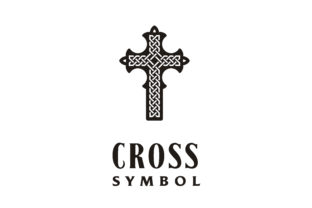
At its core, the Cross Celtic Catholic Christian Logo combines two powerful threads: the Celtic cross form and the Catholic Christian identity. The Celtic cross is distinguished by a ring—often called a nimbus or sun wheel—surrounding the intersection of the vertical and horizontal beams. This ring is thought to symbolize eternity, the circle of life, or the halo of Christ. When this form is explicitly used within a Catholic context, the logo becomes a visual statement that ties the local, historic expression of Celtic Christianity to the universal Church.
For many, this logo is not just a piece of art but a declaration of belonging. It evokes the monastic traditions of Ireland and Scotland, the missionary spirit of saints like Patrick and Columba, and a form of Christianity that is both deeply personal and communally expressed. In a logo format, these layers of meaning are condensed into a single, memorable mark. For modern users, this makes the Cross Celtic Catholic Christian Logo a powerful tool for communicating depth without lengthy explanation.
Why It Matters Now More Than Ever
We live in an era where people are hungry for authenticity. The mass-produced, generic visual language of the early internet age is giving way to a desire for symbols that carry history and resonance. The Cross Celtic Catholic Christian Logo fits perfectly into this shift. It offers a visual shorthand that says “we are rooted in something ancient, yet we are alive today.”
Businesses, parishes, schools, and even individual creators are turning to such symbols to differentiate themselves. In a marketplace where every brand is vying for attention, a mark that carries genuine cultural and spiritual weight sets you apart. It signals that your organization values continuity, artistry, and meaning over fleeting trends. This is not about nostalgia; it is about using the past as a foundation for relevant, forward-looking identity.
The Evolution of the Cross Celtic Catholic Christian Logo
The Celtic cross itself has been in use since at least the early medieval period, with elaborate stone high crosses found across Ireland and Britain. These crosses were not just monuments; they were teaching tools, boundary markers, and public declarations of faith. Over centuries, the form was adapted into manuscripts, jewelry, and eventually, into print and digital logos.
The explicit pairing with "Catholic Christian" identity in a logo format is a more recent development, emerging as Catholic institutions in Celtic regions—and those inspired by Celtic spirituality—sought to articulate their unique heritage within the universal Church. This evolution reflects a broader trend: the desire to honor local traditions while remaining connected to a global faith community. Today, the Cross Celtic Catholic Christian Logo can be found on everything from parish websites and school crests to independent Catholic businesses and ministries.
What has changed is not the symbol itself, but the context. In the past, such imagery was largely assumed. Today, it is a deliberate choice. Organizations and individuals consciously adopt the Cross Celtic Catholic Christian Logo to communicate specific values: hospitality, reverence for creation, intellectual tradition, and a faith that engages with culture rather than retreating from it.
Practical Implications for Creators, Marketers, and Faith-Based Organizations
If you are considering using or designing a Cross Celtic Catholic Christian Logo, there are several practical considerations that go beyond aesthetics.
Authenticity Requires Understanding
Using a symbol with deep historical and theological roots means you must understand what it signifies. Audiences—especially those familiar with Celtic Christianity or Catholic tradition—will recognize when a logo is used superficially. Take the time to research the specific elements: the ring, the knotwork, the type of cross pattee or the shape of the arms. Each variation carries nuance. For example, a simple ringed cross without ornamentation might be chosen for a minimalist brand, while a logo with intricate interlacing knots can signal a focus on community and interconnection.
For designers and marketers, this means doing your homework before presenting concepts to a client. Suggesting a Cross Celtic Catholic Christian Logo without understanding its connotations can undermine trust. Conversely, demonstrating genuine insight into the symbol’s meaning builds credibility and leads to a more satisfying final result.
Versatility in Modern Applications
One of the strengths of this logo is its adaptability. It works in traditional settings—stone carvings, embroidered vestments, printed bulletins—and equally well in digital contexts. A well-designed Cross Celtic Catholic Christian Logo can be scaled down to a social media avatar without losing legibility, or blown up for a banner on a parish hall. This versatility is essential for any organization that operates across physical and digital spaces.
However, achieving this versatility requires intentional design. The ring and arms must be proportioned carefully. Knotwork should not become a blur at small sizes. For business owners and creators, investing in a professional vector version of the logo is not an expense; it is an asset that will serve you across all touchpoints.
Connecting with a Values-Driven Audience
People who respond to the Cross Celtic Catholic Christian Logo are often those who value tradition, craftsmanship, and spiritual depth. They are not looking for a quick visual hit; they want a symbol that invites contemplation and recognition. This audience tends to be loyal and engaged. For a blog, a podcast, a retreat center, or a Catholic goods shop, using this logo can be a beacon that attracts the right people.
In marketing terms, this is about alignment rather than reach. You are not trying to appeal to everyone. You are using a logo that naturally filters for those who share your values. This is a strategic advantage in a noisy world. When someone sees your Cross Celtic Catholic Christian Logo and feels an immediate sense of recognition, you have already started a relationship on a foundation of shared meaning.
Current Trends and Changing Needs Around the Cross Celtic Catholic Christian Logo
Several contemporary trends are increasing the relevance of this symbol.
The Resurgence of Liturgical and Sacred Art
Across Catholic and mainline Christian communities, there is a renewed appreciation for beauty in worship and identity. The minimalist, stark visual language that dominated the late 20th century is giving way to a desire for richness, color, and historical continuity. The Cross Celtic Catholic Christian Logo benefits directly from this shift. Its organic curves, symbolic rings, and connection to ancient monastic art align with a broader hunger for the sacred in everyday life.
Digital Communities Seeking Tangible Roots
Ironically, the more digital our lives become, the more we crave symbols that feel grounded in physical history. Online Catholic communities, independent creators, and even podcasters are adopting Celtic Christian imagery to signal a connection to something older than the internet. The Cross Celtic Catholic Christian Logo serves as an anchor in a fluid digital environment. It tells visitors: this is not a disposable page; this is part of a living tradition.
Branding for Independent Catholic Enterprises
A growing number of entrepreneurs are launching businesses rooted in Catholic identity—bookstores, coffee roasters, apparel lines, art studios, and retreat centers. Many of these ventures choose the Cross Celtic Catholic Christian Logo because it is recognizable yet distinct from more generic cross symbols. It allows them to express a specific cultural and spiritual lineage without relying on clichés. For these business owners, the logo is not just decoration; it is a core part of their brand strategy.
Practical Recommendations for Using the Cross Celtic Catholic Christian Logo
If you decide to adopt or create such a logo, here are grounded recommendations drawn from observation and best practices.
- Work with a designer who understands both heraldry and digital media. The best logos in this space are created by people who can balance historical accuracy with modern usability. Ask to see references and previous work with faith-based symbols.
- Define your specific audience. Are you targeting a local parish, a global online community, or a niche product market? The same symbol can be tweaked in color, complexity, and style to suit different contexts. A logo for a Celtic spirituality podcast might use earthy greens and blues, while a logo for a Catholic school might use traditional gold and navy.
- Provide context for your audience. When you launch your logo, write a brief explanation of its meaning. People appreciate knowing why a particular symbol was chosen. This can be a paragraph on your website, a post on social media, or a line in your email signature. It deepens engagement and honors the symbol.
- Use high-quality assets everywhere. Avoid pixelated or stretched versions of the logo. This is especially important for a symbol that carries such visual and spiritual weight. Poor execution can undermine the very values you are trying to convey.
- Consider color psychology. The traditional Celtic cross is often rendered in stone gray, gold, or deep green. However, modern versions can use a wide palette. Some brands use black and white for a clean, timeless feel. Others incorporate blue to evoke Marian devotion or red to symbolize the Holy Spirit. Choose colors that align with your mission.
Why You Should Pay Attention to the Cross Celtic Catholic Christian Logo Now
This is not a symbol that is going out of style. If anything, its relevance is growing as people seek deeper connections in a fragmented world. For professionals in design, marketing, ministry, and entrepreneurship, understanding the Cross Celtic Catholic Christian Logo means understanding a visual language that bridges ancient and modern, local and universal, personal and communal.
Whether you are designing one for a client, choosing one for your own project, or simply learning to appreciate its layers, this logo offers a rare combination of beauty, meaning, and utility. It is a reminder that the best symbols are not invented from scratch but distilled from living traditions. And in a time when authenticity is the most valuable currency, that is a logo worth paying attention to.
By grounding your work in symbols like the Cross Celtic Catholic Christian Logo, you not only create a distinct identity—you also participate in a story that has been unfolding for over a millennium. That is a foundation that no trend can erode.