The Grateful Jesus Cross: A Focus for Your Christmas Season
As the holiday season approaches, many people search for anchors—something tangible to hold onto amidst the flurry of shopping, cooking, and decorating. A Grateful Jesus Cross offers exactly that. It merges the warmth of the nativity with the profound sacrifice of the cross, creating a focal point for gratitude during Advent. Whether worn as a pendant, displayed on a tree, or kept close for daily reflection, this symbol helps shift attention from the hustle back to the heart of Christmas.
What Makes a Grateful Jesus Cross Different?
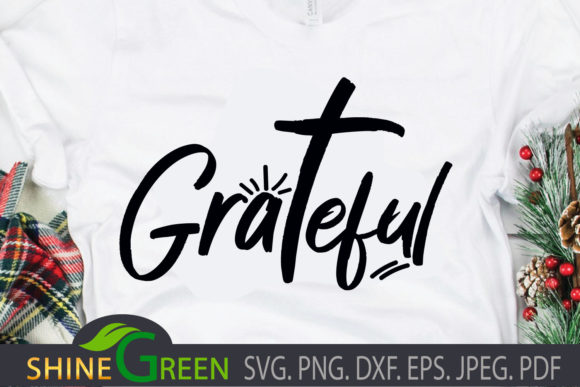
A standard cross is a timeless emblem of faith. A Grateful Jesus Cross, however, is specifically designed to evoke thankfulness for the incarnation. Often, it features subtle design cues from the nativity—a star etched above the crossbeam, humble wood textures reminiscent of a manger, or the word “Grateful” inscribed directly on the piece. It tells a complete story: the cradle points to the cross, and the cross leads to gratitude.
This is not merely a piece of religious merchandise. For many, it becomes a practical tool for mindfulness. Holding a Grateful Jesus Cross during morning coffee or evening prayer can ground a person in the reason for the season. It turns an abstract concept into a daily, tactile reminder.
Why Different People Care About This Symbol
The appeal of a Grateful Jesus Cross stretches across very different life situations. Understanding why others value it can help you see if it fits your own world.
For the Devoted Believer Seeking Daily Reminders
If your faith is central to your life, this cross serves as a portable sanctuary. It is easy to keep in a pocket, hang on a rearview mirror, or place on a nightstand. It is not about show; it is about personal connection. During busy workdays, having a physical object that prompts a moment of gratitude helps maintain perspective. You might find yourself touching it before a difficult meeting or during a quiet commute, using it as a trigger for silent prayer.
- Priority: Spiritual authenticity and quality of materials that will last a lifetime.
- Example: A hand-carved olive wood cross from Bethlehem, inscribed with “Grateful,” becomes a cherished heirloom and a conversation starter about the true meaning of Christmas.
For the Gift-Giver Searching for Meaning Over Materialism
Finding a gift that carries weight is challenging. A Grateful Jesus Cross is a gift that says, “I see your faith, and I honor it.” It is especially powerful for parents, godparents, or close friends who want to offer something beyond the latest gadget. It communicates appreciation for the recipient’s spiritual journey.
- Priority: Presentation, craftsmanship, and the story behind the piece.
- Example: Choosing a sleek, brushed stainless steel cross for a college student heading back to a secular campus provides them with a subtle, durable symbol of their foundation. Pairing it with a handwritten note about why you are grateful for them elevates the gift.
For the Creator or Small Business Owner
If you run a woodworking shop, design jewelry, or sell digital printables, the “Grateful Jesus Cross” is a product category with deep narrative potential. It is not just an item; it is a story waiting to be crafted and shared. A creator must balance aesthetic appeal with theological respect. The grain of the wood, the precision of the engraving, the choice of a rustic or modern font—every detail communicates part of the message.
- Priority: Flexibility in design, cost of raw materials, and commercial viability.
- Example: A small business owner can create a limited batch of “Grateful Jesus Crosses” using reclaimed barn wood. The backstory of the wood (rescued and repurposed) mirrors the Gospel narrative of redemption, making the product deeply marketable to faith-based buyers.
For the Educator and Content Creator
Bloggers, podiatrists, and Sunday school teachers can use the concept of the Grateful Jesus Cross as a teaching framework. It provides a visual anchor for lessons on gratitude, Advent, and the connection between Christmas and Easter. For a lifestyle blogger, it is a rich topic for a 12-day series exploring different aspects of gratitude during the holiday season.
- Priority: Versatility, visual impact, and the ability to generate engagement.
- Example: A Bible study leader can create a printable guide that accompanies the Grateful Jesus Cross. Each day of Advent, participants reflect on a different scripture that moves from the prophecy of His birth to the reality of the cross, using the physical cross as a daily touchstone.
How to Evaluate a Grateful Jesus Cross Based on Your Needs
Not all crosses are created equal. Before purchasing, creating, or writing about one, consider what matters most for your specific context.
Craftsmanship and Quality
For the collector or hobbyist, the finish matters. Look at the joints on a wooden cross. Is the metal hypoallergenic? Will the inscription fade after one season? High-quality pieces are an investment in long-term use. A poorly made cross can feel disrespectful to the sacred meaning it carries. If you value longevity, choose solid materials like sterling silver, hardwoods, or ceramic rather than plated metals or soft woods.
Design and Messaging
For the marketer or blogger, the visual language of the cross is key. Does it lean traditional with ornate detailing, or is it minimalist for a modern audience? A cross that pairs a clear quartz center with a simple silver frame can appeal to those who appreciate contemporary design while still honoring the classic symbol. The inclusion of the word “Grateful” should be legible but not distracting. It should feel like part of the design, not an afterthought.
Cost and Budget
For the beginner or budget-conscious consumer, a Grateful Jesus Cross does not have to be expensive. Simple pewter pendants or laser-cut wooden ornaments can be very affordable. The value lies in the intention, not the price tag. However, be aware that very low cost often means mass production, which may lack the soul of a handmade piece. Decide if you prioritize economy or the story of the maker’s hands.
Versatility and Use Cases
How do you plan to use this cross? A large, ornate wall cross is wonderful for home decor but impractical for daily wear. A small, durable keychain cross is perfect for someone who is always on the move. A digital SVG file is ideal for a creator running a Cricut or laser cutter. Identify the primary use case to narrow down your options.
- Personal Devotion: Small, tactile, easy to carry.
- Home Decor: Larger, meaningful placement (mantel, entryway).
- Gifting: Attractive packaging, durable for travel.
- Content / Teaching: Photogenic, clear details, symbolic elements.
- Creation / Resale: Sourceable materials, reproducible design, unique angle.
Practical Examples for Different Reader Types
Let’s look at how the Grateful Jesus Cross fits into real routines for different people.
The Busy Parent: You need something simple. A ceramic ornament with “Grateful” written in soft script hangs on the family tree. Each night during Advent, you let your child hold it while you say one thing you are grateful for. It builds a tradition without requiring elaborate prep.
The Freelance Designer: You are creating a branding package for a faith-based client. You research the Grateful Jesus Cross to understand the visual language. You find that many crosses use a combination of the Star of Bethlehem and the crossbeam. You incorporate this duality into the logo design, showing the journey from birth to sacrifice.
The Small Business Owner (Etsy Seller): You source raw wood from a local mill. You design a cross that can be personalized with a family name and the year. You market it as a “Grateful Jesus Cross – A New Family Tradition.” Your customers are not buying wood and string; they are buying a way to center their family on faith this Christmas. Your photography focuses on hands holding the cross, emphasizing connection.
The New Christian (Beginner): You are still learning the rhythms of faith. You buy a simple, inexpensive wood cross to keep in your Bible. It serves as a bookmark. Every time you open the scriptures to read, you see the cross and pause to say thank you. It is a gentle, non-intimidating way to build a habit of gratitude into your new walk of faith.
Is the Grateful Jesus Cross Right for You?
Ask yourself what need this symbol addresses. If you are looking for a way to slow down and focus on gratitude during December, yes. If you need a meaningful gift for a valued friend or family member, yes. If you are a creative looking for a project that combines artistry with soul, absolutely.
However, if you are looking for a purely decorative item without spiritual intent, this specific focus on gratitude may feel heavy. The Grateful Jesus Cross works best when there is an intention behind it. It is not just decor; it is a prompt. It invites the user to pause, reflect, and give thanks.
The beauty of this symbol is its humility. It does not demand attention. It sits quietly in a pocket, hangs gently on a wall, or rests softly in a jewelry box. But when the noise of the season becomes too loud, it is there, ready to pull your focus back to the one thing that matters most: the gift of Jesus.
Whether you are holding it in your hand, designing it in your workshop, or sharing its meaning with your audience, the Grateful Jesus Cross connects the cradle and the cross, reminding us all to approach Christmas with hearts full of thanks.